- Landlord’s Playbook for Managing Rising Insurance Premiums in Phoenix
- 1. Strengthen Your Property Against Phoenix Climate Risks
- 2. Bundle Insurance Policies
- 3. Consider Adjusting Your Deductible
- 4. Install Modern Security Features
- 5. Improve Pool Safety and Compliance
- 6. Maintain a Digital Record of Property Assets
- 7. Schedule Annual Safety Walk-Throughs
- 8. Use the Right Insurance Policy for Rental Properties
- Bottom Line
- A few smart upgrades go a long way in reducing risk and keeping insurance premiums in check.
- Bundling and choosing the right deductible can create real savings, giving landlords more control over long‑term costs.
- Good documentation and regular safety walk‑throughs help prevent claims, protecting both your property and your rental income.
- Using landlord‑specific insurance matters, ensuring your coverage actually matches the risks of owning a Phoenix rental.
Feeling the squeeze from rising insurance costs on your Phoenix rental properties? You are certainly not alone. There are practical steps property owners can take to manage costs and protect their rental income.
This guide outlines strategies that may help lower premiums while maintaining strong protection for your investment.
At TCT Property Management Services, we work closely with rental property owners in Phoenix and understand the challenges of operating in a changing insurance market. With the right approach, it is possible to maintain reliable coverage while keeping long-term costs under control.
Learn More About TCT Property Management Services!
Landlord’s Playbook for Managing Rising Insurance Premiums in Phoenix
Rising insurance premiums can affect the overall performance of a rental property. The strategies below can help Phoenix landlords protect their investment while managing insurance costs more effectively.
1. Strengthen Your Property Against Phoenix Climate Risks
Let's talk about the unique aspects of our desert climate. Intense sunlight, high temperatures, and seasonal monsoon storms can place extra stress on roofs, cooling systems, and exterior materials. Property insurance providers look closely at environmental risk, so lowering those risks can help keep premiums down.

So, how do you get ahead? Property owners can take several steps to improve resilience and address climate risks. Installing heat-resistant roofing materials, maintaining strong drainage systems, and scheduling regular HVAC maintenance are all helpful measures.
These improvements show insurers that the property is well maintained and prepared for local weather conditions. Proactive maintenance not only protects the structure of the property but may also reduce the likelihood of future insurance claims.
2. Bundle Insurance Policies
Here is a strategy that works like a charm. Many insurance providers offer discounts when customers combine multiple policies with the same company. This is often called “bundling.” For example, a landlord may choose to place rental property coverage, personal home insurance, and auto insurance under the same provider.
Bundling policies can often result in noticeable savings on annual premiums. In addition, working with one insurance provider can make it easier to manage renewals, paperwork, and communication.
This approach gives you more than a discount, it gives you leverage. Many property owners also find that keeping multiple policies with the same insurer helps build a long‑term relationship, which can contribute to more stable pricing over time.
3. Consider Adjusting Your Deductible
Let's talk about numbers. The deductible is the amount a property owner pays out of pocket before insurance coverage begins after a claim. Choosing a higher deductible typically lowers the monthly or yearly premium.

The key here is to be strategic. For landlords who maintain an emergency reserve fund, selecting a slightly higher deductible may be a practical way to reduce regular insurance costs. However, it is important to choose a deductible that remains comfortable to manage financially if a claim occurs.
Reviewing deductible options with an insurance professional can help landlords determine the balance that best fits their financial planning strategy.
Get Expert Property Support Today!
4. Install Modern Security Features
You know what is really impressive to insurers these days? A property that is actively protected against crime. Security systems can improve both safety and insurance pricing. Properties equipped with monitored alarm systems, video doorbells, motion-activated lighting, or smart locks may qualify for insurance discounts.
These features help reduce risks such as theft, vandalism, and unauthorized entry. Properties with added security measures are often viewed more favorably.
In addition to potential insurance savings, security upgrades can also appeal to tenants who value a safe and well-maintained living environment.
5. Improve Pool Safety and Compliance
Here in Arizona, a pool is a fantastic amenity but in the eyes of insurers, it’s also a significant liability. Installing proper fencing, self-closing gates, pool covers, and clearly visible safety signage can all help create a safer environment.

Regularly inspecting these safety features, keeping documentation of compliance, and maintaining clear communication with tenants about pool rules and safety expectations all demonstrate responsible property management to insurance providers.
6. Maintain a Digital Record of Property Assets
Think about it this way: when you need to file a claim, being able to prove the value and condition of your property becomes essential. A digital property record can include photos, videos, and receipts for improvements or repairs, including any renovations for your rental property.
Property owners may choose to store high-resolution images of each room, exterior areas, and major systems such as roofing, plumbing, and HVAC equipment. Records of upgrades like new appliances or remodeling projects are also valuable.
This documentation can support insurance claims if damage occurs and helps verify the value and condition of the property.
7. Schedule Annual Safety Walk-Throughs
You know what’s one of the most effective ways to prevent insurance claims? Partnering with your tenant on safety. Conducting an annual safety walk-through with tenants is one way to keep the property in good condition.
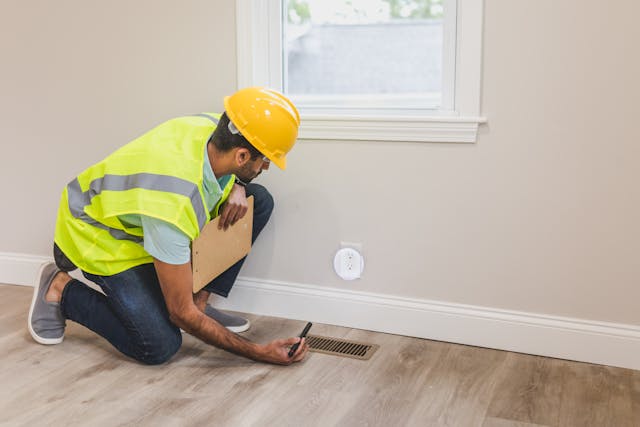
During these visits, property owners can check smoke detectors, carbon monoxide alarms, electrical outlets, and visible safety hazards. Addressing maintenance concerns early may reduce the risk of accidents or damage.
8. Use the Right Insurance Policy for Rental Properties
Let’s make sure you’re not falling into a common and costly mistake. Rental properties should be covered by a policy designed specifically for landlords. A commonly used option is a Dwelling Fire Policy (DP-3), which is structured for properties that are leased to tenants.
This type of policy typically includes protection for the building itself, liability coverage, and in many cases compensation for lost rental income if a covered event temporarily prevents tenants from occupying the property.
Choosing a policy designed for rental properties helps ensure the coverage matches the real risks involved in property ownership.
Bottom Line
Understanding insurance options and risk management strategies can make a meaningful difference for rental property owners. With the right planning, landlords can maintain strong coverage while managing long-term costs.
TCT Property Management Services works with Phoenix rental property owners to help protect their investments and simplify day-to-day property operations. If you would like support managing your rental property in Phoenix, our team is ready to help you explore solutions that support both property protection and long-term investment success.
