Key Takeaways
- Improved Satisfaction and Reduce Turnover - Letting tenants personalize their space with approved paint choices can boost their sense of ownership, increase lease renewals, and improve overall tenant satisfaction.
- Clear Guidelines to Protect the Property - If painting is allowed, landlords should set firm rules regarding color choices, paint quality, prep work, and restoration responsibilities. These expectations should be documented in the lease to ensure consistent property standards.
- A Streamlined Process and Minimized Risks - A professional property management company can help create policies, approve tenant requests, oversee painting quality, and manage move-out inspections.
Deciding whether to let tenants paint your rental property is a question many landlords face. At first glance, allowing tenants to add a personal touch with paint may seem harmless. However, you need to consider a few key factors, like property value, maintenance costs, tenant satisfaction, and legal obligations.
We at TCT Property Management Services will walk you through the pros and cons of allowing tenants to paint their spaces.
Experience successful property management today!
Why Landlords Hesitate
There are several reasons why landlords often hesitate to let tenants paint the property. First, they worry about unsuitable color choices. A tenant’s idea of a stylish accent wall might be a turns off future renters. Repainting those walls back to a neutral color can also take time and money.
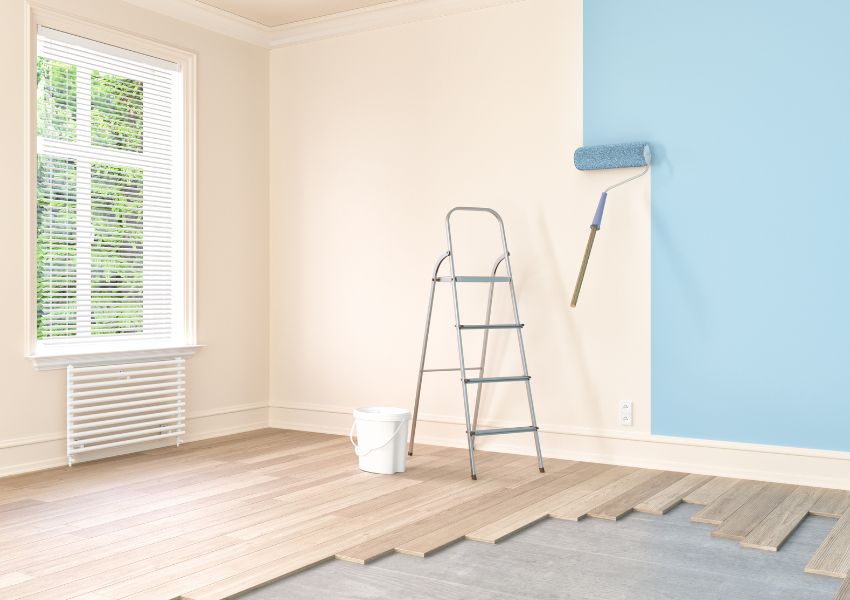
Furthermore, not all tenants have the skill or patience to prep walls, apply primer, or use quality materials. A rushed or messy paint job can result in peeling, streaking, or damage to surfaces.
What’s more, landlords want to avoid any mistakes that can cause additional turnover costs. If they have to repaint between tenants to make the unit market-ready, it increases maintenance expenses. On top of that, if tenants paint without permission or don’t restore the unit as required, Phoenix landlords may face disputes over security deposits or repairs.
Why Allowing It Can Work
Despite these concerns, there are valid reasons why some landlords allow tenants to paint, including:
- Increased Tenant Satisfaction. Tenants feel more at home when they can personalize their space. Happy tenants are more likely to renew their lease, saving you the cost of turnover.
- Improved Property Condition. Fresh paint can improve the look of the unit. If done properly, it addresses normal wear and tear without landlords having to spend extra money.
- Competitive Advantage. Allowing some degree of customization may set your property apart in a competitive rental market, attracting long-term tenants.
- Potential Savings. When tenants cover the cost and labor of painting, under guidelines, it can reduce your own maintenance costs.
Setting Clear Rules and Expectations
If you decide to allow tenants to paint, setting clear rules is crucial.
Here’s what to include:
- Approved Colors Only. Require tenants to choose from neutral tones like beige, gray, or off-white. This keeps the unit broadly appealing and easier to maintain.
- Quality Requirements. Specify that tenants use mid-grade or better interior paint with an appropriate finish.
- Proper Preparation. Tenants should patch holes, clean walls, and apply primer if needed.
- Approval Process. Make sure tenants get written permission from you before starting.
- Professional Finish. Make it clear that the painting should look clean and even.
- Restoration Agreement. State that tenants are responsible for returning walls to the original color (or covering costs) if the paint job does not meet standards or uses unapproved colors.
By including these points in your lease agreement, you create a framework that protects your property while giving tenants a sense of freedom.
Experience successful property management today!
DIY vs. Hiring a Pro
Another important decision real estate investors face is whether to allow tenants to paint the unit themselves or require them to hire a professional. For straightforward jobs, especially when using approved neutral colors, allowing tenants to do it themselves can work well if they’re responsible and follows proper guidelines.
However, there are also notable drawbacks to the DIY route. Without professional experience, tenants may deliver poor workmanship, leading to uneven finishes, drips, or damage to walls and trim. These mistakes can cost landlords more in repairs later, outweighing the initial savings.

On the other hand, hiring a licensed painter is more likely to produce high-quality, durable results, and their work often comes with a warranty. This reduces the stress and oversight needed from the landlord, ensuring the unit maintains a polished appearance. The downside is the added expense, which tenants may be reluctant to cover.
Some landlords find a middle ground by setting different rules depending on the situation. They might require professional painters for bold or unconventional color choices, or when dealing with multi-unit buildings where consistency matters. For simpler refreshes in approved, neutral shades, they may allow tenants to do the painting themselves under clear guidelines.
End of Lease: What Happens to Painted Walls?
At the end of the lease, painted walls can become a point of tension. Landlords should be clear about what is expected.
If tenants use approved colors and the walls are in good condition, you may choose to leave them as is. However, if the color was unapproved or the paint job is poorly done, you can require tenants to repaint or deduct the cost from their security deposit.
The key is to have everything spelled out in the lease, conduct a move-out inspection, and communicate expectations early.
When It’s Better to Say No
In some situations, it may be best to decline painting requests altogether.

For example, if your property is under historic preservation rules, local laws may restrict interior changes. If you plan to renovate or sell soon, allowing painting might create more work later. Also, if a tenant has a history of not following lease terms, granting permission could lead to additional problems.
Experience successful property management today!
How a Property Management Company Helps
A professional property management company can take the headache out of decisions like these by:
- Creating Clear Policies. They help craft detailed, legally sound lease clauses about painting, reducing misunderstandings.
- Handling Approval and Coordination. They handle tenant requests, review color choices, and manage approvals.
- Overseeing Quality Control. Property managers inspect painting projects, ensuring the work meets agreed standards.
- Handling Tenant Communication. Property managers are skilled at balancing tenant requests with owner needs, keeping both sides satisfied.
Bottom Line
Allowing tenants to paint your rental property can work with thoughtful planning, clear rules, and good communication. Landlords who create boundaries can enjoy the perks of happier tenants and fresher-looking units without sacrificing control or property value.
When in doubt, partnering with a property management company ensures everything is handled efficiently and professionally. Call us if you need assistance!
